 What's new?
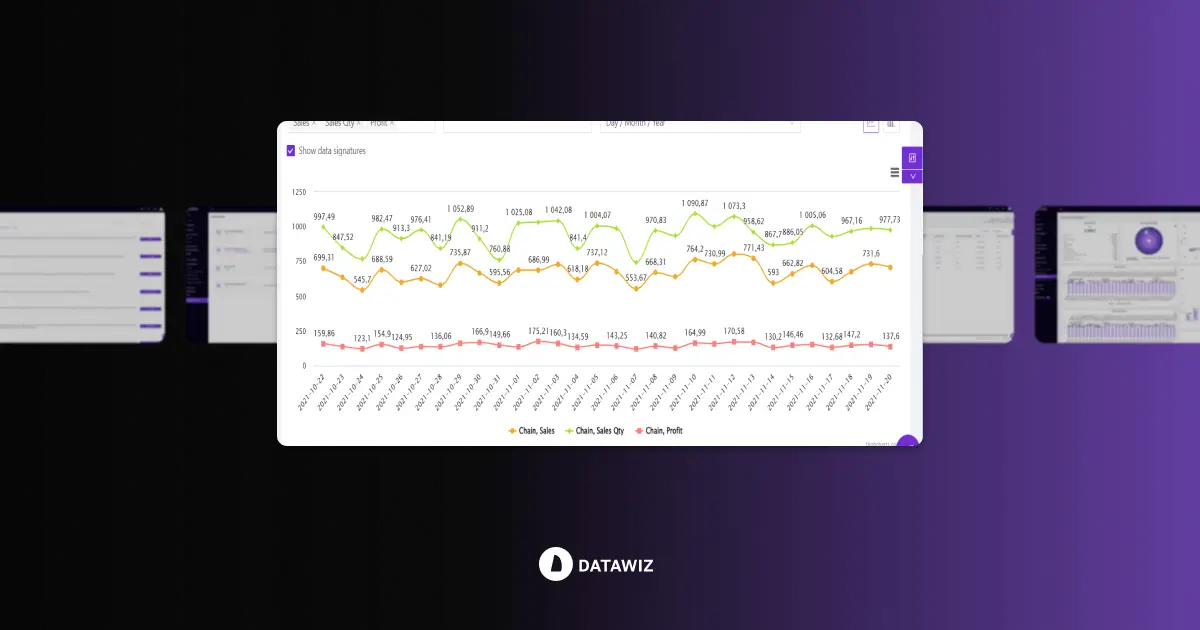

Promotions have become an integral part of retail business, they are aimed at stimulating sales and attracting new customers. The company offers various temporary discounts, bonuses and promotions that increase demand for specific products and help to realize stock in warehouses more quickly.
The process of organizing a promo involves many departments working together. Marketing creates the concept and communicates with customers, purchasing and logistics ensures product availability, IT sets up discount systems, and the finance department monitors profitability. Analysts track performance, and salespeople interact directly with customers. Without concerted action, a promotion can turn into chaos: product shortages, overloaded warehouses, or losses. Retailers that manage promo stock without SKU-level analytics report excess post-promo inventory as one of the top three causes of unplanned markdowns — directly reducing the net return on the campaign. Therefore, a successful retail promotion is not only an attractive offer, but also a coherent operational strategy.
Key Takeaways
- A retail promotion is unprofitable if the Cannibalization Rate exceeds 15–20%: customers switch from high-margin items to discounted ones, and total basket profit drops even when sales volume grows.
- ROI on a promotion should be calculated not only from revenue but from net margin: a 30% discount on a product with 25% gross margin always generates a loss regardless of sales volume.
- Short-term promos (1–3 days) drive impulse purchases but rarely attract new customers; medium-term promos (1–2 weeks) are more effective for audience acquisition and retention measurement.
- Retailers who track promo performance at SKU level — not just category level — reduce excess post-promo stock by up to 15.5%, avoiding markdowns and write-offs after the campaign ends.
- Without unique promo codes or isolated customer segments, it is impossible to separate organic demand growth from promo-driven sales — making ROI calculations unreliable and campaign comparisons meaningless.
Key performance indicators of retail promotions
Evaluating the effectiveness of retail promotions is based on specific metrics that allow you to understand their impact on sales, margins and customer behavior. Here are the key KPIs worth tracking:
1. Sales and revenue
- Sales Growth (%) - how much sales increased during the promotion.
- Revenue from promotional merchandise - how much money the promotional campaign brought in.
- Proportion of sales from promotional merchandise (%) - how much of total sales are taken up by the promotional sale.
! Segment your sales data by different factors such as product categories, customer segments, or geographic regions to get a deeper understanding of which areas of your business benefited most from the promotion. This analysis can help you refine your advertising strategies for future campaigns.
2. Marginality and Profitability
- Marginability (%) - whether the discount ate up all the profit.
- ROI (Return on Promo Investment) - whether the promotion paid off.
- Cannibalization Rate - whether customers replaced the promotional item with a more profitable non-promotional item.
3. Customer Attraction and Retention
- Average Check - whether customers started buying more.
- Number of new customers - whether the promotion brought in new customers.
- Frequency of purchases - did the promo motivate people to come back.
! Use unique promo codes and coupons to accurately track how many customers came through the promotion and evaluate the effectiveness of different promotion channels. Place them in ads, email newsletters or at checkout to see which sources bring in the most shoppers.
How to organize a successful promo?
1. WHAT? (selecting specific SKUs)
Category of goods:
- The most popular products (sales hits).
- New products that need to be promoted.
- Products that have low turnover and need to stimulate demand.
Financial analysis:
- Determining a discount level that will not reduce profitability. For most FMCG categories, discounts above 25–30% on products with standard gross margins of 20–30% eliminate profit entirely — making volume growth insufficient to compensate for margin loss.
- Estimating potential sales growth.
Cannibalization check:
- Analyzing whether a promotional item will crowd out higher margin items.
2. WHEN (clear limits for the promo)
Duration of the promotion:
- Short-term (1-3 days) - encourages impulse buying.
- Medium-term (1-2 weeks) - builds stable demand.
- Long-term (1+ month) - used for strategic category growth.
Seasonality:
- Promos related to holidays, sales, trends.
- Analyze demand at different times of the year.
Periodicity:
- Regular promos (monthly, seasonal) to attract regular customers.
- One-off promotions to test new SKUs.
3. WHO? (supplier selection)
Supplier Category:
- Own brands (promotions to increase awareness).
- Famous brands (joint promotions to attract audience).
- New suppliers (market testing for product acceptance).
Financial terms of cooperation:
- Percentage of discount from the manufacturer.
- Joint coverage of advertising costs.
- Additional bonuses for high sales.
Supplier readiness:
- Is the supplier able to support the promotional volume of goods?
- Guarantee of stable supply without shortages.
How to analyze the effectiveness of a promotion?
The “Promotion Analysis” report on the Datawiz BI service summarizes the main indicators of the network's promotional activity. In this report you can find information on sales of promotional products of the network in each promotional campaign.
The main features of the report:
- Evaluate the performance of each promotion, drill down to categories and SKUs;
- track the “behavior” of promotional goods in the promotional and non-promotional period;
- analyze the dynamics of key indicators using visualizations.
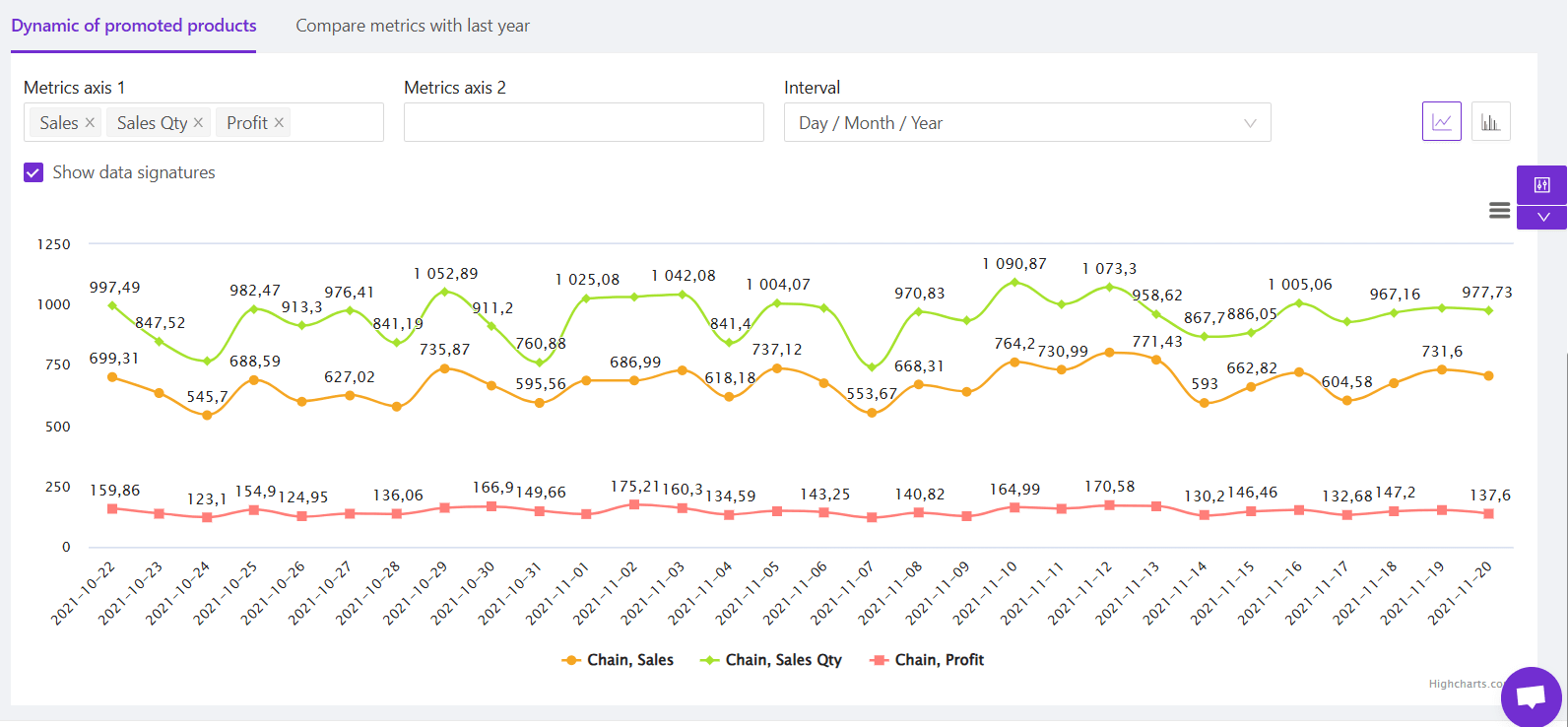
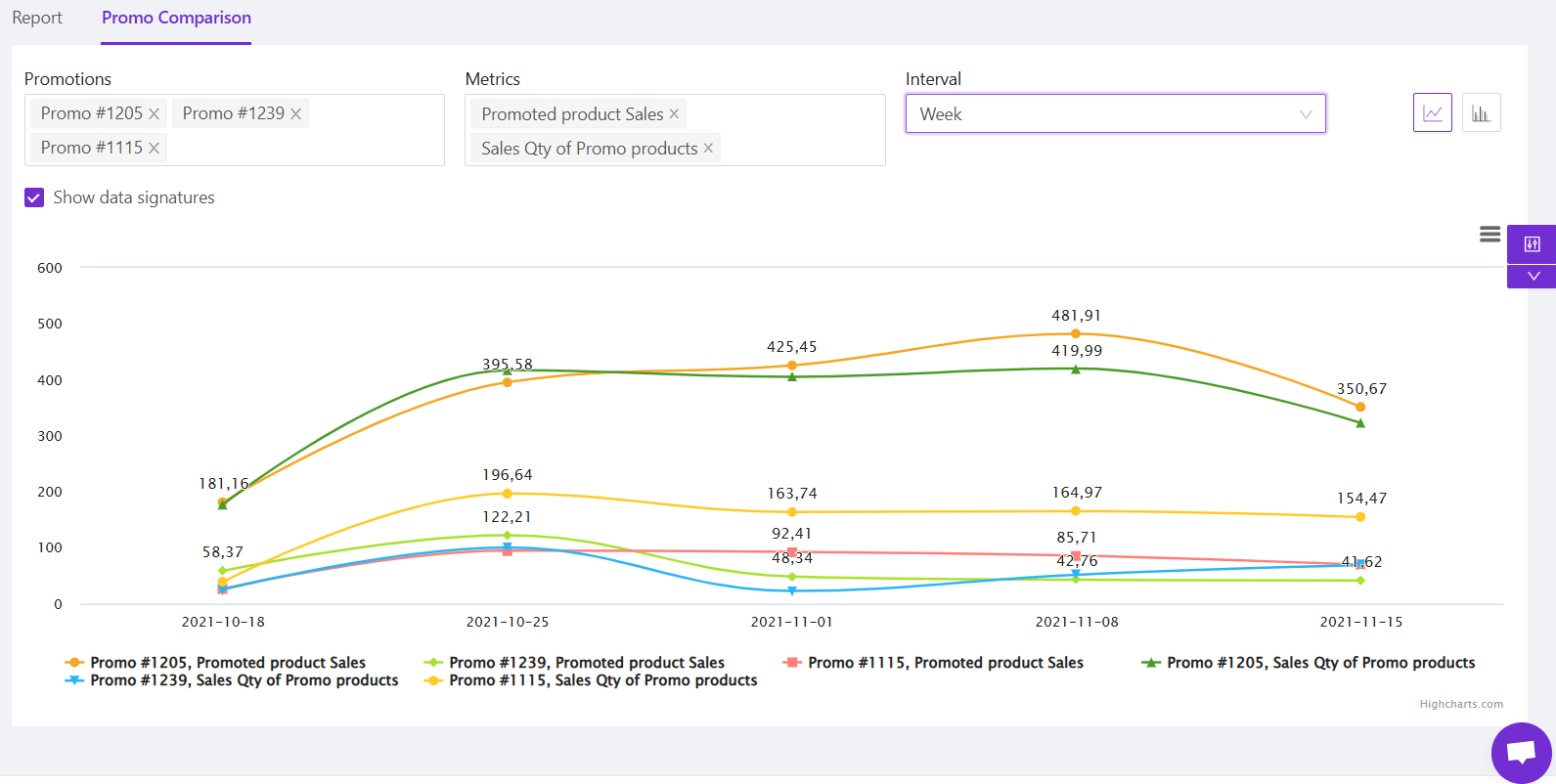
The main advantage of this report is the “compare promotions” tab, which compares several promotions and visualizes their dynamics by selected indicators. The visualization is offered in two options: line graph or bar chart.
Becoming an expert in analytics with Datawiz BI is easy!
All data on promotions in one place, no more need to collect information from each department separately. It is important not only to see the numbers, but also to understand their impact: which promotions bring real profit, which attract new customers, and which can be unprofitable. In-depth analysis helps you avoid repeating mistakes, improve strategies and use data in a way that works for results.
FAQ
What metrics actually show whether a retail promotion was profitable?
The core profitability metrics are ROI on promo investment and margin after discount. You need to compare net margin per SKU during and after the promotion, not just sales volume. If margin dropped while units sold increased, the promotion ran at a loss.
How do I calculate the cannibalization rate for a promo?
Cannibalization rate is the share of promotional sales that came at the expense of higher-margin non-promotional items. Calculate it by comparing sales of adjacent SKUs during the promo period versus the same period without a promotion. A rate above 15% is a signal to redesign the product selection for future campaigns.
How long should a retail promotion run to be effective?
It depends on the goal. Promos lasting 1–3 days maximize impulse purchases. Campaigns of 1–2 weeks are better for building stable demand and measuring repeat purchase frequency. Promotions longer than a month are typically used for strategic category growth, not short-term sales spikes.
How do I know if a promotion actually brought in new customers?
Use unique promo codes, dedicated landing pages, or isolated coupon batches tied to specific channels. Compare the customer ID list from promo transactions against your existing base. Without this segmentation, you cannot distinguish new buyers from regulars who simply waited for a discount.
How can I automate promotion analysis across multiple campaigns?
Datawiz BI includes a dedicated Promotion Analysis report that consolidates promo performance data across all campaigns and store locations without manual data collection. It allows you to drill down from network-level results to individual SKUs and compare multiple promotions side by side using line graphs or bar charts — eliminating the need to gather data from each department separately.
What's the most common mistake retailers make when evaluating promotions?
Measuring only sales volume without tracking margin and cannibalization. A promotion that grows revenue by 20% but reduces average basket margin by 25% is a net loss — yet it looks successful in a basic sales report. Always pair top-line metrics with profitability and post-promo recovery data.




 No credit card required